
12 Essential Public Relations Trends to Watch in 2025
December 2, 2025
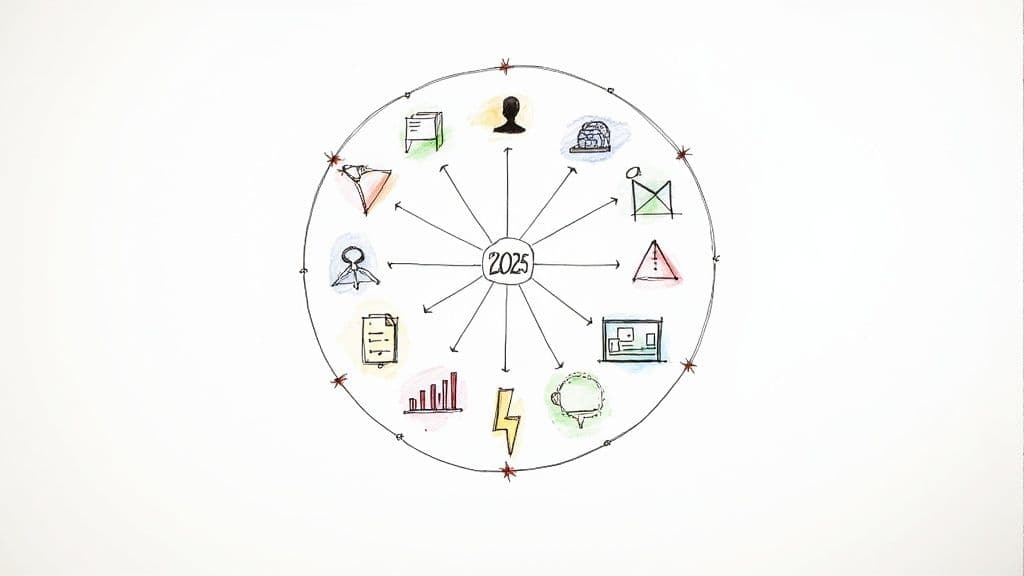
In an era of rapid technological change and shifting consumer expectations, the world of public relations is evolving faster than ever. Staying ahead requires more than just adapting; it demands a proactive understanding of the forces shaping how brands communicate, build trust, and measure impact. From the rise of artificial intelligence in automating outreach to the growing demand for authentic, purpose-driven storytelling, the strategies that worked yesterday are quickly becoming obsolete.
This roundup dives into the 12 most critical public relations trends for the coming year, providing a comprehensive roadmap for startups, tech brands, and established companies alike. We will explore each trend with real-world examples, actionable tactics, and clear insights on how to leverage them effectively to secure meaningful media coverage and build a resilient brand reputation.
You will learn how to integrate data-driven storytelling, harness the power of employee advocacy, and navigate the complexities of crisis communication in real-time. This guide moves beyond theory to offer practical, implementation-focused advice designed for immediate application. While this article covers influencer relations as a key component of modern PR, the influencer space itself is a universe of its own. To gain a broader perspective on this specific domain, consider these 10 Influencer Marketing Trends to Watch for a deeper dive.
This is your essential guide to not only understanding the future of PR but actively shaping it to your brand’s advantage. Let’s explore the trends that will define success.
1. AI-Powered PR and Content Generation
Artificial intelligence is rapidly moving from a futuristic concept to an indispensable tool in the PR professional's toolkit. This trend involves leveraging AI to automate and enhance tasks ranging from media monitoring and sentiment analysis to content creation and distribution. By processing vast datasets in real-time, AI platforms like Meltwater and Cision can identify emerging narratives, detect potential crises before they escalate, and predict the potential impact of a campaign with startling accuracy.

This shift allows PR teams to operate with greater precision and speed, personalizing outreach and storytelling at a scale previously unimaginable. It's one of the most transformative public relations trends because it empowers lean startup teams to compete with established players by making data-driven decisions.
Actionable Implementation Tactics
To integrate AI effectively, focus on augmenting your team's capabilities rather than replacing them. Start by using AI-powered tools for specific, high-value tasks.
- Automate Media Monitoring: Use Brandwatch or Sprout Social to track brand mentions, competitor activity, and industry conversations automatically, freeing up your team for strategic planning.
- Enhance Content Creation: Leverage an AI press release generator to create initial drafts, formulate compelling headlines, and optimize copy for SEO, allowing your team to focus on narrative and creative angles.
- Personalize Journalist Outreach: Employ AI to analyze a journalist's past articles and social media activity to craft hyper-personalized pitches that resonate with their specific interests.
To effectively implement AI, PR teams can explore the best no-code AI platforms, which simplify integration without extensive technical expertise. By adopting these tools, your PR efforts become more predictive, efficient, and impactful.
2. Influencer Relations and Micro-Influencer Partnerships
The landscape of influence is decentralizing, shifting PR focus from costly celebrity endorsements to authentic partnerships with micro-influencers. This trend involves building genuine, long-term relationships with creators who have smaller (10K-100K) but highly engaged, niche audiences. Unlike traditional advertising, this approach leverages the trust and credibility these influencers have built within their specific communities, from tech enthusiasts to sustainable fashion advocates.

This evolution is a key public relations trend because it offers a more cost-effective and authentic way to connect with target demographics. Brands like Glossier and Daniel Wellington have demonstrated that a network of passionate micro-influencers can generate more credible buzz and drive higher conversion rates than a single macro-influencer campaign, making it an ideal strategy for startups seeking to build a loyal community from the ground up.
Actionable Implementation Tactics
To succeed with micro-influencers, prioritize authenticity and mutual value over transactional exchanges. The goal is to turn influencers into genuine brand advocates.
- Prioritize Engagement Over Followers: Use tools like Upfluence or Grin to analyze an influencer's engagement rate, audience demographics, and comment quality. A high engagement rate in a niche market is far more valuable than a large, passive following.
- Co-Create Authentic Content: Instead of providing rigid scripts, give influencers creative freedom to integrate your product into their native content style. This ensures the promotion feels organic to their audience and builds genuine trust.
- Build Long-Term Ambassador Programs: Move beyond one-off sponsored posts. Establish ongoing partnerships, offer early access to new products, and create affiliate programs to foster loyalty and turn influencers into a core part of your marketing ecosystem.
By focusing on these deeper collaborations, you can transform influencer relations from a simple tactic into a powerful, community-driven PR engine. This approach builds lasting brand affinity and generates authentic word-of-mouth that traditional advertising can't replicate.
3. Purpose-Driven PR and Cause Marketing
Today's consumers, particularly Millennials and Gen Z, expect brands to take a stand on social, environmental, and political issues. This trend involves integrating purpose into core business operations and communications, moving beyond traditional corporate social responsibility (CSR) to build authentic connections. Brands like Patagonia and Ben & Jerry's have mastered this by weaving activism into their DNA, making their commitment a central part of their public identity.
This approach builds deep brand loyalty and resonates with audiences who align their purchasing decisions with their values. It’s one of the most powerful public relations trends because it transforms customers into advocates, creating an emotional connection that transcends product features. For startups, a genuine cause can differentiate them in a crowded market and attract both talent and investment.
Actionable Implementation Tactics
To successfully implement a purpose-driven strategy, authenticity is key. The cause must be a genuine extension of your brand's mission, not a performative marketing ploy.
- Align with Core Values: Select a cause that authentically reflects your company's mission and values. If you are a fintech startup focused on financial literacy, partner with nonprofits that educate underserved communities.
- Ensure Genuine Commitment: Go beyond one-off donations. Implement sustainable practices, volunteer time, or integrate the cause into your product, like TOMS' One for One model. Leadership must be visibly and actively committed.
- Communicate Transparently: Be honest about your goals, progress, and even your shortcomings. Use your blog and social media to share impact reports and stories from the communities you support, demonstrating real-world outcomes.
By embedding purpose into your PR, you create a compelling narrative that builds a lasting, positive reputation and fosters a dedicated community around your brand.
4. Employee Advocacy and Internal Communications
The most credible brand story often comes from within. This trend elevates employees from internal stakeholders to powerful, authentic brand ambassadors by creating structured programs that encourage them to share company news, insights, and stories on their personal social media channels. Companies like Salesforce and LinkedIn have demonstrated that an employee's voice carries more authenticity and reaches a different, often more engaged, network than corporate accounts.
This shift humanizes a brand and amplifies its reach organically. It’s one of the most effective public relations trends for building trust, as messages shared by real people are perceived as more genuine than traditional advertising. Strong internal communications are the foundation, ensuring employees are informed, engaged, and feel connected to the company's mission.
Actionable Implementation Tactics
A successful employee advocacy program is built on trust and empowerment, not mandates. The goal is to make sharing easy, valuable, and voluntary.
- Provide Sharable Content Hubs: Use platforms like EveryoneSocial or GaggleAMP to create a central repository of pre-approved articles, social media posts, and company news that employees can easily access and share.
- Offer Social Media Training: Equip your team with best practices for professional social media use, helping them build their personal brand while effectively representing the company.
- Recognize and Reward Participation: Implement a system to acknowledge top advocates through leaderboards, shout-outs in company meetings, or small incentives. This fosters a culture of appreciation and encourages continued involvement.
To cultivate authentic advocacy, focus on creating a culture where employees are genuinely proud to work. Strong internal communications ensure they have compelling stories to tell, turning your entire workforce into a powerful PR asset.
5. Video and Visual Storytelling
In an era of shrinking attention spans and information overload, video and visual storytelling have become dominant forces in public relations. This trend moves beyond traditional text-based press releases to embrace dynamic, engaging visual content like short-form videos, live streams, and infographics to convey brand narratives. Platforms like TikTok and Instagram prioritize visual media, making it essential for brands like Wendy's and GoPro to capture audience attention and communicate complex messages quickly and effectively.
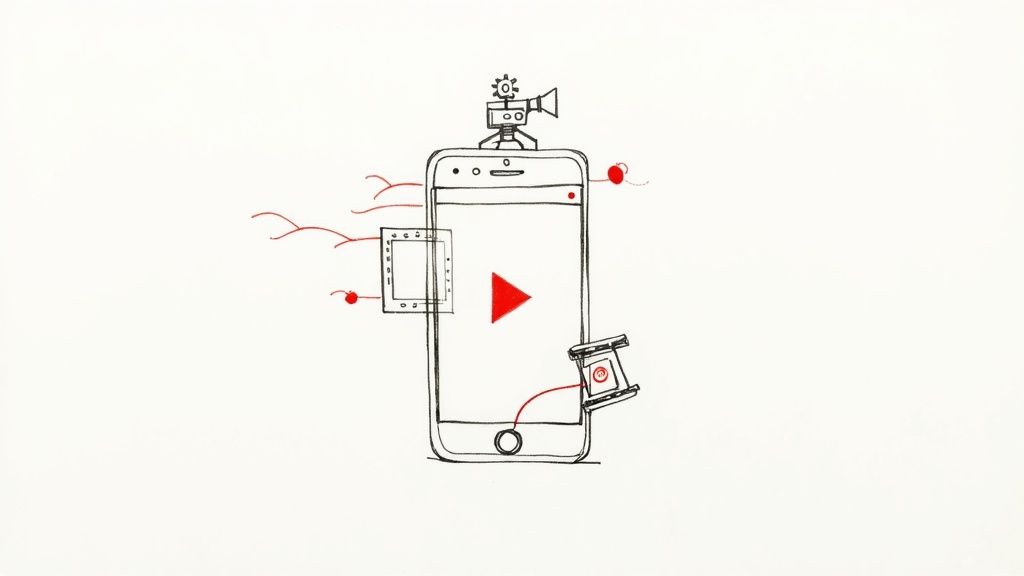
This shift enables PR teams to forge a stronger emotional connection with their audience, humanizing the brand through authentic, behind-the-scenes glimpses or user-generated content. Embracing video is one of the most crucial public relations trends because it allows startups to bypass traditional media gatekeepers and build a direct relationship with their community, turning passive viewers into active brand advocates.
Actionable Implementation Tactics
To integrate video effectively, focus on authenticity and platform-specific formats rather than high-budget productions. Start by identifying stories that are best told visually.
- Create Platform-Native Content: Develop short, vertical videos for TikTok and Reels, high-quality long-form content for YouTube, and interactive live streams for Instagram or LinkedIn. Avoid a one-size-fits-all approach.
- Prioritize Authenticity: Showcase behind-the-scenes footage, employee interviews, or user-generated content to build trust. Polished corporate videos often perform poorly compared to raw, authentic clips.
- Optimize for Mobile and Sound-Off Viewing: Design videos to be viewed vertically on mobile devices and include clear, easy-to-read captions, as many users watch content without sound.
A great example of visual storytelling is GoPro’s user-generated content strategy, which transforms customers into brand storytellers. By featuring authentic, thrilling videos shot by their community, they create powerful social proof and compelling content at scale.
6. Crisis Communication and Real-Time Response
In an era where news travels at the speed of a tweet, the ability to manage a crisis in real-time is no longer optional. This trend emphasizes the critical need for sophisticated crisis management protocols that allow for swift, transparent, and authentic communication. With social media acting as an accelerant, a minor issue can escalate into a full-blown reputational crisis in minutes, demanding 24/7 vigilance and rapid decision-making from PR teams.

The modern approach moves beyond simple damage control to proactive reputation management. Companies like Starbucks, when faced with a racial bias incident, demonstrated how a quick, empathetic, and action-oriented response could mitigate damage and even rebuild trust. This evolution makes crisis readiness one of the most vital public relations trends, as it directly impacts a company’s long-term viability and public perception.
Actionable Implementation Tactics
A proactive stance is the cornerstone of effective crisis management. Instead of waiting for a crisis to happen, build a robust framework that can be activated instantly.
- Develop a Pre-Approved Plan: Create a detailed crisis playbook outlining roles, responsibilities, communication channels, and pre-approved messaging for various scenarios. Having this ready allows your team to act decisively rather than reactively.
- Establish a Monitoring System: Use social listening tools like Mention or Agorapulse to monitor brand mentions and industry conversations around the clock, enabling early detection of potential reputational threats.
- Prepare Key Spokespeople: Train executives and designated spokespeople on how to communicate with empathy, transparency, and authority during high-pressure situations. Conduct mock interviews and drills to ensure they are prepared.
To effectively prepare, startups should focus on creating a foundational plan. A well-structured crisis management plan serves as your organization's guide to navigating turbulent times with confidence and control.
7. Data Privacy and Transparency in Communications
In an era defined by regulations like GDPR and the California Consumer Privacy Act (CCPA), data privacy has become a cornerstone of corporate reputation. This trend requires PR professionals to move beyond crisis management and proactively communicate how their organizations collect, use, and protect customer data. Building trust is no longer just about product quality; it's about demonstrating a genuine commitment to user privacy through clear, honest, and accessible communication.
This shift transforms data privacy from a legal obligation into a powerful brand differentiator. Companies that embrace this change, such as Apple with its "Privacy. That's iPhone." campaign, build deeper customer loyalty. This is one of the most critical public relations trends because it directly addresses growing consumer skepticism and positions a brand as a trustworthy steward of personal information, a significant competitive advantage in the tech landscape.
Actionable Implementation Tactics
To build a reputation for transparency, integrate privacy-focused messaging across all communications and make it a core part of your brand narrative.
- Simplify Your Privacy Policy: Work with your legal team to translate complex legal jargon into a plain-language summary. Use infographics or short videos to explain how data is used, making the information digestible for the average customer.
- Communicate Privacy as a Feature: Frame your commitment to data protection as a key product benefit, not just a compliance checkbox. Highlight features like end-to-end encryption or minimal data collection in your marketing and PR materials, as seen with brands like DuckDuckGo and Signal.
- Develop a Breach Communication Plan: Be prepared for the worst-case scenario. Create a clear, proactive communication protocol for data breaches that prioritizes transparency, timeliness, and provides clear instructions for affected users.
8. Podcasts and Audio Content Strategy
The rise of audio content represents a significant shift in how audiences consume information, making podcasts a vital channel for modern PR. This trend involves creating or participating in audio programming to build brand authority, share in-depth stories, and connect with niche audiences in an intimate and engaging format. From branded series like Slack's Work in Progress to securing executive interviews on industry-leading shows, audio provides a direct line to listeners during their commutes, workouts, and downtime.
This evolution in public relations trends allows brands to bypass traditional media gatekeepers and cultivate a loyal following through authentic, long-form conversations. For startups, it's a powerful way to establish thought leadership and humanize their brand, offering a level of depth that a single press release or article cannot match.
Actionable Implementation Tactics
To launch a successful audio strategy, focus on delivering genuine value and high-quality production. Start by identifying a niche where your brand's expertise can shine.
- Secure Guest Appearances: Pitch your founders or executives as expert guests on relevant industry podcasts. Use this as a low-cost entry point to build credibility and reach established audiences.
- Launch a Branded Podcast: Develop a podcast series that addresses your target audience's pain points. HubSpot's podcast network is a prime example of creating valuable content that supports a broader business ecosystem.
- Repurpose Audio Content: Maximize your efforts by transcribing episodes for SEO-rich blog posts, creating audiograms for social media, and pulling key quotes for marketing materials. This extends the life and reach of each episode.
To effectively manage and distribute your audio content, platforms like Transistor.fm offer robust hosting and analytics. By integrating podcasts into your PR mix, you tap into a highly engaged medium and build a deeper connection with your audience.
9. Integrated Digital and Traditional PR Strategy
The silo between digital and traditional PR is dissolving. Instead of choosing between a feature in a legacy newspaper and a viral social media campaign, the most effective strategies now combine them. This integrated approach ensures a cohesive brand narrative is delivered across every touchpoint, from earned media placements and owned blog content to paid social ads and influencer collaborations. By aligning all channels, brands create a powerful echo chamber effect, reinforcing key messages and maximizing reach.
This holistic view is one of the most critical public relations trends because it acknowledges how modern audiences consume information. A consumer might see a product on Instagram, read a review in a major tech publication, and then visit the company's website. An integrated strategy ensures that each of these interactions presents a consistent and compelling story, guiding the audience seamlessly through their journey.
Actionable Implementation Tactics
To build an integrated strategy, focus on creating a unified communications calendar that coordinates efforts across all departments, including marketing and advertising.
- Align Cross-Channel Messaging: Ensure the core narrative of your press release is adapted and reflected in your social media captions, email newsletters, and paid ad copy for a consistent brand voice.
- Amplify Earned Media: When you secure a positive media placement, immediately promote it across your owned channels. Share the article on LinkedIn, create an Instagram story about it, and feature it in your next customer newsletter to extend its impact.
- Use Paid Media to Boost Reach: Allocate a budget to strategically boost your top-performing earned media mentions or owned content. This ensures your best stories reach a wider, more targeted audience beyond your organic following.
10. Authenticity and Transparency in Brand Messaging
Modern consumers are increasingly skeptical of polished corporate-speak and are instead drawn to brands that communicate with honesty and genuineness. This trend involves moving away from overly curated messaging to embrace transparent storytelling, acknowledge mistakes, and reveal the human side of a business. Brands like Everlane, with its "Radical Transparency" on pricing, and Buffer, with its public salary data, have built loyal followings by prioritizing openness.
This shift helps forge a deeper connection with audiences, building trust that is difficult to replicate with traditional advertising. Embracing authenticity is one of the most vital public relations trends because it directly addresses the consumer demand for realness, turning customers into powerful advocates who feel aligned with a brand's values.
Actionable Implementation Tactics
To build an authentic brand narrative, focus on genuine communication over perfection. Start by weaving transparency into your core operations and public-facing content.
- Humanize Your Communications: Drop the corporate jargon. Use a genuine, relatable voice in all communications, from social media updates to press releases. Mailchimp excels at this with its quirky and approachable brand personality.
- Showcase Real Stories: Feature real employee experiences and customer testimonials in your PR campaigns. Sharing user-generated content or behind-the-scenes glimpses of your team at work builds credibility and relatability.
- Practice Radical Candor: When mistakes happen, own them publicly and transparently. Explain what went wrong, what you learned, and what steps you're taking to improve. This builds far more trust than attempting to hide missteps.
By prioritizing transparent practices, startups can build a resilient brand reputation that resonates deeply with today's discerning consumers.
11. Community Building and Audience Engagement
The traditional model of PR as a one-way broadcast is being replaced by a more dynamic, interactive approach centered on community. This trend involves cultivating dedicated spaces where brands and their audiences can engage in meaningful dialogue, share experiences, and build genuine relationships. Instead of just pushing messages out, PR professionals are now tasked with nurturing ecosystems where customers become advocates, exemplified by groups like the Harley Owners Group (HOG) and Peloton's fiercely loyal user base.
This evolution is one of the most vital public relations trends because it creates a resilient brand defense system and a direct channel for feedback. An engaged community provides invaluable user-generated content, offers social proof, and generates authentic stories that traditional campaigns struggle to replicate, giving startups a powerful asset for sustainable growth.
Actionable Implementation Tactics
To build an authentic community, focus on fostering genuine connections and providing tangible value rather than on direct selling. The goal is to create a sense of belonging that resonates with your audience.
- Establish a Dedicated Space: Create a branded community forum, a private Slack channel, or a focused Facebook Group where users can connect with each other and your team, similar to Sephora's Beauty Insider Community.
- Empower and Recognize Members: Actively feature user-generated content across your social channels. Implement a "member of the month" program or offer exclusive perks to top contributors to make them feel valued.
- Facilitate Peer-to-Peer Interaction: Host virtual meetups, Q&A sessions with product experts, or member-led workshops. The key is to facilitate conversations that aren't always about your brand directly but align with shared interests.
By actively listening and responding to community feedback, your PR efforts can tap into powerful insights that inform product development and brand messaging, ensuring your strategy remains relevant and customer-centric.
12. Measurement, Analytics, and PR ROI Quantification
The era of justifying PR value with vanity metrics like ad value equivalency (AVE) is over. Today, public relations trends are pushing professionals to demonstrate tangible business impact through sophisticated measurement and analytics. This involves linking PR activities directly to organizational goals, such as lead generation, sales conversions, and brand equity, proving a clear return on investment (ROI).
This data-driven approach moves PR from a cost center to a strategic revenue driver. Tools like HubSpot and Meltwater now allow teams to track the customer journey from a media placement to a final sale. This shift is critical for startups and tech companies needing to prove the value of every dollar spent to investors and executive teams.
Actionable Implementation Tactics
To quantify your PR ROI, you must align your measurement framework with core business objectives from the outset. Focus on tracking metrics that matter to the C-suite.
- Implement UTM Tracking: Use UTM parameters in all links within press releases and media outreach to track website traffic and conversions originating directly from your PR campaigns in Google Analytics.
- Align KPIs with Business Goals: Define clear KPIs that go beyond media mentions. Track metrics like share of voice, message resonance through surveys, and referral traffic to demonstrate influence on the sales funnel.
- Create Integrated Dashboards: Use platforms like Meltwater or build custom dashboards to visualize how earned media coverage correlates with spikes in website traffic, demo requests, and brand search volume.
To master this data-centric approach, teams can explore a comprehensive guide on the measurement of public relations and its impact on business outcomes. Adopting these tactics ensures your PR efforts are recognized as a vital contributor to growth.
12 PR Trends Comparison Matrix
| Trend | Implementation Complexity 🔄 | Resource Requirements ⚡ | Expected Outcomes 📊 | Ideal Use Cases 💡 | Key Advantages ⭐ |
|---|---|---|---|---|---|
| AI-Powered PR and Content Generation | Moderate–High — integration, training, audits | High — AI tools, data pipelines, analysts | Scalable monitoring, faster content production, predictive insights | Large campaigns, 24/7 monitoring, personalization at scale | ⭐ Efficiency, data-driven decisions, scalability |
| Influencer Relations and Micro-Influencer Partnerships | Low–Moderate — vetting and relationship management | Moderate — partnership fees, outreach tools | Higher engagement, authentic endorsements, niche reach | Targeted product launches, community-driven growth | ⭐ Authentic connections, better ROI, cost-effective reach |
| Purpose-Driven PR and Cause Marketing | High — cross-organizational alignment required | Moderate–High — program funding, stakeholder engagement | Stronger emotional bonds, earned media, talent attraction | Brands with genuine mission fit, long-term reputation building | ⭐ Differentiation, long-term loyalty, value alignment |
| Employee Advocacy and Internal Communications | Moderate — governance, training, content guidelines | Low–Moderate — platforms, training, incentives | Amplified authentic reach, improved employee engagement | Employer branding, B2B advocacy, product launches | ⭐ Trust amplification, higher CTRs, reduced content load |
| Video and Visual Storytelling | Moderate–High — production workflows, platform optimization | High — equipment, editors, creative teams | Higher engagement, better retention, algorithm favorability | Consumer campaigns, product demos, social-first storytelling | ⭐ Emotional impact, versatility, strong engagement |
| Crisis Communication and Real-Time Response | High — 24/7 monitoring, protocols, cross-functional teams | High — monitoring tools, legal support, standby staff | Minimized reputational damage, faster stakeholder reassurance | High-risk industries, incident-prone organizations | ⭐ Rapid mitigation, transparency, preserved trust |
| Data Privacy and Transparency in Communications | Moderate–High — legal alignment and clear messaging | Moderate — compliance tools, legal counsel, training | Increased consumer trust, regulatory risk reduction | Data-driven businesses, regulated sectors, privacy-conscious brands | ⭐ Trust building, compliance, brand differentiation |
| Podcasts and Audio Content Strategy | Low–Moderate — production cadence and distribution | Moderate — audio gear, hosting, editorial resources | Deep audience connection, thought leadership, loyal listeners | Thought leadership, long-form storytelling, niche audiences | ⭐ Intimacy, lower production cost than video, repurposable content |
| Integrated Digital and Traditional PR Strategy | High — coordination across channels, unified analytics | High — multidisciplinary teams, budgets, measurement tools | Maximized reach, consistent messaging, measurable impact | Product launches, brand repositioning, omnichannel campaigns | ⭐ Omnichannel effectiveness, optimized media mix |
| Authenticity and Transparency in Brand Messaging | Moderate — cultural change, clear governance needed | Low–Moderate — storytelling resources, leadership time | Deeper trust, stronger loyalty, genuine engagement | Reputation building, consumer-facing brands, crisis recovery | ⭐ Trust and loyalty, memorable brand experiences |
| Community Building and Audience Engagement | High — ongoing moderation, facilitation, governance | Moderate–High — community managers, platforms, events | Loyal advocates, user-generated content, organic growth | Subscription models, niche ecosystems, product communities | ⭐ Advocacy, customer insights, reduced acquisition cost |
| Measurement, Analytics, and PR ROI Quantification | High — complex attribution and integrated data | High — analytics platforms, data teams, dashboards | Demonstrable PR ROI, better budget allocation, strategic insights | Enterprise PR, performance-driven programs, stakeholder reporting | ⭐ Accountability, data-driven optimization, leadership buy-in |
Putting Trends Into Action: Your Next Steps in Modern PR
The public relations landscape is no longer a slow-moving river; it's a dynamic ocean of constant change, shaped by technological innovation and evolving audience expectations. The trends we've explored, from the analytical power of AI-driven PR to the human-centric approach of purpose-driven storytelling, are not isolated phenomena. They are deeply interconnected, forming a new playbook for modern communication. Mastering these public relations trends is no longer a competitive advantage, it's a baseline requirement for relevance and growth, especially for startups and tech brands vying for attention in a crowded market.
The central theme weaving through each of these shifts is integration. The future of PR doesn't belong to the team that simply adopts AI, nor the one that only focuses on influencer marketing. It belongs to the strategists who can seamlessly merge data-driven insights with authentic human connection, quantitative measurement with qualitative storytelling, and internal advocacy with external messaging.
From Insights to Impact: Your Action Plan
Navigating this new terrain can feel overwhelming, but progress is about taking deliberate, strategic steps. Instead of attempting to master all twelve trends at once, focus on creating a phased implementation plan that aligns with your brand's immediate goals and long-term vision.
Here’s a practical, three-step framework to get started:
Conduct a PR Audit: Begin by assessing your current efforts against the trends discussed. Where are your biggest gaps? Are you still relying on outdated tactics without clear ROI (Trend #12)? Is your brand's purpose clearly articulated in your messaging (Trend #3)? Identify 2-3 key areas where implementing a new approach could yield the most significant impact. For a tech startup, this might mean prioritizing data-driven storytelling (Trend #12) and micro-influencer partnerships (Trend #2) to build initial credibility.
Prioritize and Pilot: Based on your audit, select one or two high-priority trends to pilot. For instance, you could launch a small-scale employee advocacy program (Trend #4) to test its impact on social reach or experiment with creating a short-form video series (Trend #5) to explain a complex product feature. Set clear, measurable goals for your pilot program. This focused approach allows you to learn, adapt, and build momentum without overhauling your entire strategy overnight.
Invest in the Right Technology: The manual-first era of PR is over. Modern public relations requires a tech stack that can automate repetitive tasks, provide actionable data, and streamline your workflow. Tools that leverage AI to identify the right journalists or platforms that help quantify your media impact are essential. Integrating technology frees up your most valuable resource: the human capacity for creativity, strategic thinking, and relationship-building.
The Lasting Value of Strategic Adaptation
Ultimately, the most critical takeaway is that the core of public relations, building and maintaining relationships, remains unchanged. However, the methods we use to build and nurture those relationships have been fundamentally transformed. Embracing these public relations trends is not about chasing novelty; it's about becoming a more agile, responsive, and effective communicator.
By integrating AI-powered efficiency, committing to authentic brand messaging, and rigorously measuring your impact, you equip your brand to not only survive but thrive. You move from simply securing press mentions to building a resilient reputation, fostering a loyal community, and driving tangible business growth. The journey begins with the first step, so choose your focus, take action, and start shaping your brand's future today.
Ready to put these trends into practice with a platform built for modern PR? PressBeat leverages AI to identify the perfect journalists and automates personalized outreach, helping you implement a data-driven strategy and secure the media coverage your startup deserves. Explore how to elevate your PR game at PressBeat.